

Rewriting Olympic JOY
When the next generation reminds us that the narratives we were raised to be true no longer have to be.

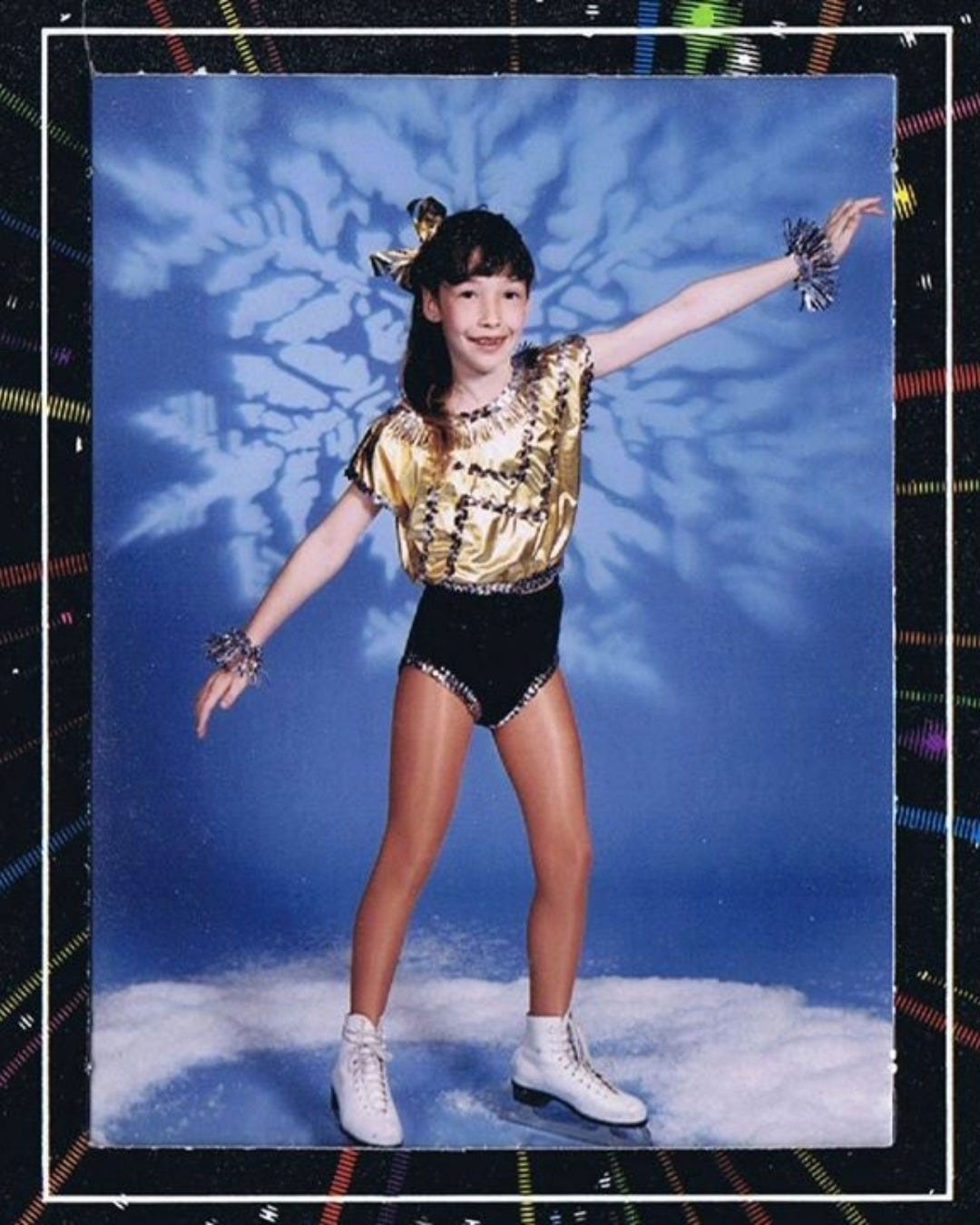
When I was young I grew up figure skating. I was never the highly competitive type, it was something I enjoyed doing with my childhood best friend. Still, every time the Olympics came around, figuring skating was what I looked forward to. (Yes, this is little me.)
I grew up in the 80s/90s before we had television on demand at our fingertips or social media. I distinctly remember the broadcasts and the way narratives were presented, at least in the US. Nancy Kerrigan was the “ideal” skater reflecting traditional beauty and grace. Tonya Harding was not.
If you missed this era of history, I highly recommend the 2017 film “I, Tonya” (for me it was Margot Robbie’s breakout role—she was Tonya before she was “Barbie”). This Hollywood biopic captures the rivalry between the two American skaters, including an attack to Kerrigan’s knee in the lead up to the Olympics. It was high drama reality TV before that was a genre at all.
These were the stories imprinted on me. If we look to OVERRIDE! (Chapter: Stereotypes and representation. Page 67) we can see what narratives the media normalized, the way women were represented (to this day it’s easier to cast some as the villain), how beauty standards were upheld (both by the media and by judges), to commenting on women’s clothing rather than their talents.
During that same era, Surya Bonaly, a strong, muscular, Black, French skater was the first woman to do a back flip in competition and land on one foot. However, instead of being celebrated, she was punished (she did it anyway). When someone doesn’t fit the bill of expectations the system likes to work against them. (See Chapter: Rigged systems. Page 68.) There are double standards. This happens all around us all the time, but we have to pay attention to realize what’s going on and start to question who, what, and why. Is there something else at play?
Fast forward to 2026 and US men’s figure skater Ilia Malinin was the heralded for his backflip in Olympic competition and celebrated by the media as the first. Although he was not the first, Surya was. My generation remembered it. But skating rules have changed, and Ilia is a man who more closely fits the mold of “who can be a figure skater.” When we open our lens of awareness we open our eyes to the bias and privilege that applies to some, but not all. (See Chapter: On bias and inherent privilege. Page 40.) There can be room for everyone to succeed and be celebrated—“Shine Theory” (See Chapter: Scarcity vs. Abundance. Page 132).
The OVERRIDE! framework invites us to:
– Name and acknowledge what’s at play
– Reframe to a more empowered mindset
– Take (aligned) action to reflect the new view
So now that we’ve established the context for the times that shaped me and so many, it’s become abundantly clear that there were toxic, misogynistic narratives running so much of the programming—both literally on TV, and also imbued into our own internal programming. Often it can feel like “this is the way it is/things are” but then there are moments in life designed to remind us that there is indeed ANOTHER WAY.
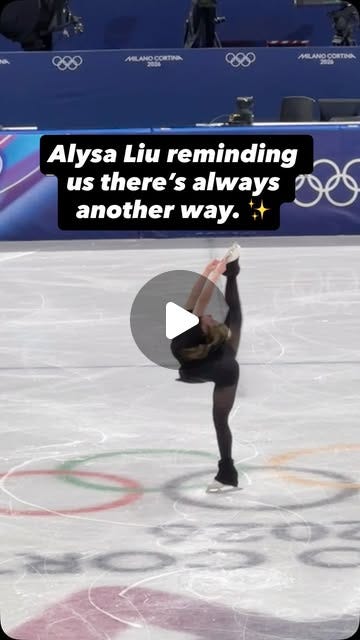
I hadn’t watched skating in years until this year’s US Nationals caught my attention where the three female skaters who made the Olympic team—Amber Glenn, Alysa Liu, and Isabeau Levito stood out to me as different. They soon after became dubbed “The Blade Angels” where they creatively held the role of co-supporters who raise each other up, rather than the competition.
A “60-minutes” interview with Alysa Liu (who’d go on to win gold in both the team and women’s individual skate) emerged sharing her journey. After her first Olympics in Beijing in 2016 at the age of 16 she realized she was miserable and retired without telling her dad. She did the unthinkable. She took time off. For the first time she got to be a kid and travel and spend time with her friends and siblings. She got to live a life not centered around skating.
Then she got the pull to return to the sport, but this time on her terms where she’d have a voice—in her training, in her music, in her costume design. And then the “unthinkable” happened. She made it back to the Olympics, and she WON!
But this wasn’t even about winning, it was about having fun and performing for the crowd. Watching her long program [watch it here] which would take her to the top of the podium, sure she was doing amazing moves, but what she was really doing was so much bigger than that. She was SHOWING us there was another way.
The performance was electric, the joy was palpable. Rather than playing the role of a modest, dainty figure skater coming off the ice, she had a giant smile on her face and to the camera said, “That’s what I’m f**k-ing talking about!”—not to prove anyone wrong, but to celebrate a great skate proving you can take a break and have fun and still come out on top. Simultaneously she was rewriting new programming in my brain as a viewer (See: Chapter: Reprogram your brain. Page 128.).
She did what others don’t even dream to do—she took the pressure off. When asked in an interview about the pressure, she almost naively responded, what pressure? Who’s putting pressure on? I’m not, I just want to skate for the audience. It was as if all the programming that’s been projected onto us throughout our lives was just proven to be invalid as long as we make the choice to not give it power. And maybe it’s simpler than it seems…
Meanwhile, teammate Amber Glenn didn’t have a great short program. A medal contender coming into the Olympics (and the top US finisher) she found herself in 13th place. That meant she skated before the top seeds going into the long program. She had the skate of her life that put her in the top spot for a long time. But rather than celebrating the falls of others, she became the biggest supporter elevating them on down moments. She still managed to finish a most respectable 5th place.
She wasn’t trying to steal the limelight, but when the cameras were trying to focus on a Japanese skater crying after her final Olympic skate before retiring, she stepped in to usher them away. There were so many micro-moments where she proved her sportsmanship was unrivalled.
There was a special bond between team USA and Japan where the new narrative was everyone rooting for the success of others, rather than wanting to be the best. The final skater to go was a 17 year old Japanese skater in her first Olympics. The points were announced, but it took Alysa—now the official Olympic gold medalist—going over and hugging the new bronze medalist and celebrating her for the skater to understand what just happened. Rather than gloating and soaking in her win, Alysa Liu with her signature striped hair was reminding us that sport is so much more than winning.
Even rewatching these clips and typing these stories I find myself getting emotional (in the best way). These athletes didn’t just perform, they allowed us to feel. The tales of these athletes (who I was lucky enough to see in person during a skating training session in Milan!) seemed to in a matter of days rewrite and override all the toxic narratives that I grew up around.
It was a beautiful reminder that we can cross generations and we don’t have to do things the way they’ve always been done. There is a beautiful opportunity to all learn from each other. Instead we must ask ourselves, “What if there was another way?” and then take action to rewrite our futures.
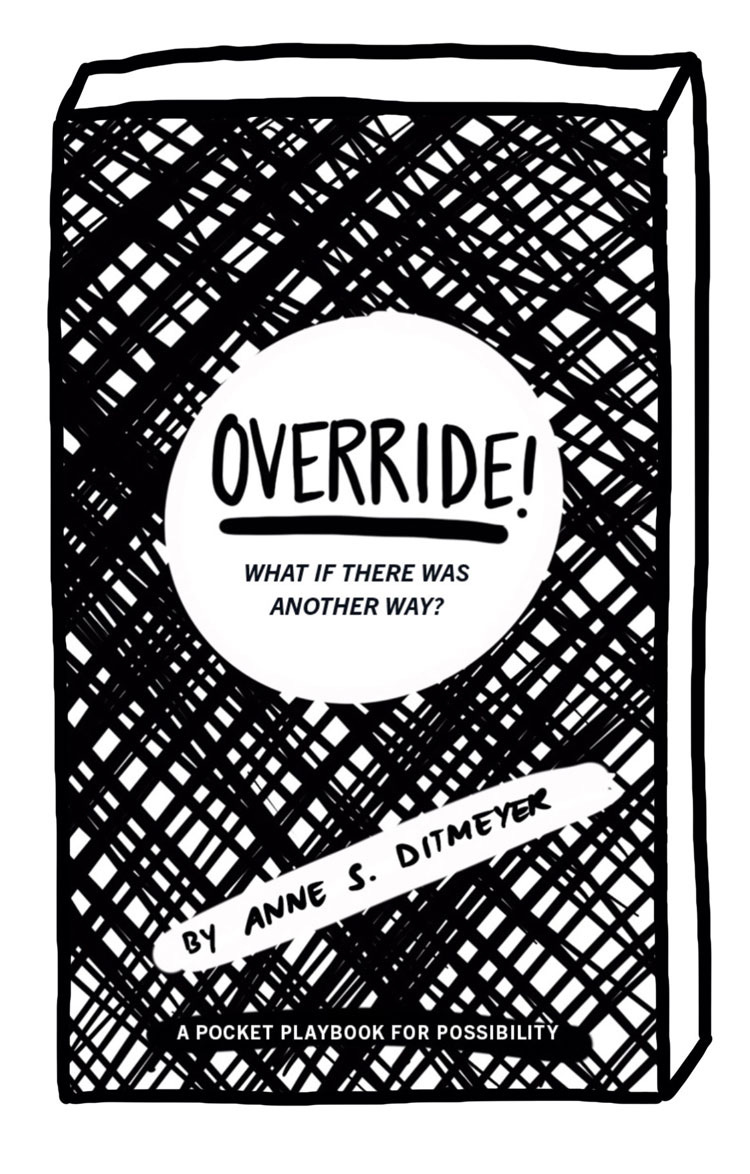
Pick up your own copy of OVERRIDE! as an invitation to remind yourself to ask What if there was another way?
Here’s my flashback to the Paris 2024 summer Olympics and what they taught me about OVERRIDE!
In case you missed it Too Much by Nicola Washington featured me in a post on “The Anatomy of a Viral Instagram Post.”
Did you know? I also have a regular “Connect the Dots” newsletter with bi-weekly inspiration and news on my latest offers and workshops?
I don't remember ever being as moved by the Olympics as I was this season <3